- The Rideshare Guy
- Posts
- 📰 Weekly Roundup: Uber May Test Driver Subscription Model
📰 Weekly Roundup: Uber May Test Driver Subscription Model
Download Solo to start your 7 day free trial & join the community of over 250K gig workers who are optimizing their time and maximizing their earnings!
Weekly Roundup: Uber May Be Eying a Subscription Model for Drivers in Certain Markets, Changing Its Existing Incentive Structure
Uber eyes a subscription model for drivers in certain markets. Congress puts Uber and Lyft on the hot seat over AI surveillance pricing. Rideshare fares hit new highs, and riders are starting to push back. Waymo faces federal scrutiny after school bus violations and an ambulance blockage. A decade-long Grubhub misclassification case nears a $24.7 million settlement. We break it all down for you.
Uber May Be Eying a Subscription Model for Drivers in Certain Markets, Changing Its Existing Incentive Structure

Image credit: Uber newsroom
Source: Bloomberg
Uber posted a job listing for a New York-based product manager tasked with building “net-new subscription packages” for drivers and couriers globally, signaling a potential shift away from its commission-based model in certain markets. Uber has already implemented a membership model in India following the rise of local rival Rapido, and the new hire would assess how the model should evolve “given different responses from our competitors.” It is very unclear if Uber would adopt this model in the U.S.
Empower, which runs on a flat-fee subscription model where they don’t take commissions on every ride, has grown its monthly active users 79% since May 2025 to 682,000, offering rides priced 20% below Uber and Lyft. Empower’s user base and ride demand, however, remains a fraction of Uber and Lyft.
According to analytics from Gridwise, gross driver pay per trip rose only 3.6% in 2025, while platform fees jumped 33%, a gap that a subscription model could help narrow by letting drivers keep more of each fare.
New York’s taxi regulator declared Empower an unlicensed app and it has defied a D.C. court order, yet its NYC metro monthly active users still surged 155% to 92,000 in January.
Congress Puts Uber and Lyft on the Hot Seat Over AI Pricing

Image credit: House Oversight Committee/U.S. Government
Source: Reuters
House Oversight Committee Chair Rep. James Comer sent letters to the CEOs of Uber, Lyft, Expedia, Booking.com, and Instacart demanding disclosure on whether they use “surveillance pricing,” AI algorithms that use personal data like browsing history, location, and device type to set individualized prices. The committee is seeking internal documents by March 19, including communications detailing revenue management algorithms and their financial impact. Uber denied the practice, stating fares are based on “location, time, and demand, not by a customer’s individual characteristics, past behavior, or device information.”
Lawmakers cited reports that companies can use data points as granular as battery life and visits to funeral home websites to determine a consumer’s “maximum willingness to pay.”
California AG Rob Bonta launched a broad individualized pricing probe in January 2026, adding regulatory pressure beyond Congress.
All targeted companies denied the practice, but Comer’s demand for internal algorithm documentation could reveal whether their pricing systems are as neutral as claimed.
Riders Are Pushing Back as Rideshare Prices Hit New Highs

Image credit: Gridwise Analytics
Source: Business Insider
The average ride price climbed to $23.66 by end of 2025, a 9.6% jump from $21.58 in December 2024, per Gridwise’s annual report analyzing over 1 billion gig app tasks. A majority of riders (60.4%) said they’ve already reduced usage due to price, up 16.6 percentage points from 2024, and 55% said they’d cut back further if prices keep rising. Despite this, Uber and Lyft continue to grow by expanding into suburban markets and capturing more premium trips.
Platform fees per trip rose 33% in 2025, while gross driver pay per trip increased just 3.6%, the companies are keeping most of the upside.
Lyft remains the more affordable option, pricing rides about 14% below Uber’s on average in 2025, a gap that could become a stronger selling point as rider price sensitivity grows.
More riders chose Black Car and XL trips in 2025, which carry higher fares and potentially better per-trip earnings for drivers who qualify.
Waymo Under Federal Scrutiny After School Bus Violations and Ambulance Blockage

Image credit: Waymo
Source: CNET
The NTSB has opened a formal investigation into Waymo after its autonomous vehicles illegally passed stopped school buses more than 24 times in Austin, Texas. In the key January 12 incident, a remote human agent in Michigan incorrectly told the vehicle the bus had no active signals, and it proceeded to pass. Separately, a viral video from March 1 showed a Waymo robotaxi blocking an ambulance responding to a mass shooting that left four dead and 13 injured in Austin.
Waymo issued a recall in December 2025 covering 3,067 vehicles to update school bus recognition software, but violations have continued since, raising questions about the fix’s effectiveness.
The January incident was traced to a remote operator error, casting doubt on whether human-in-the-loop oversight is a reliable safety backstop.
Waymo is launching in four new cities and transitioning to a next-gen driving system, making these incidents especially consequential for the company’s public trust.
Decade-Long Grubhub Misclassification Case Nears $24.7M Settlement
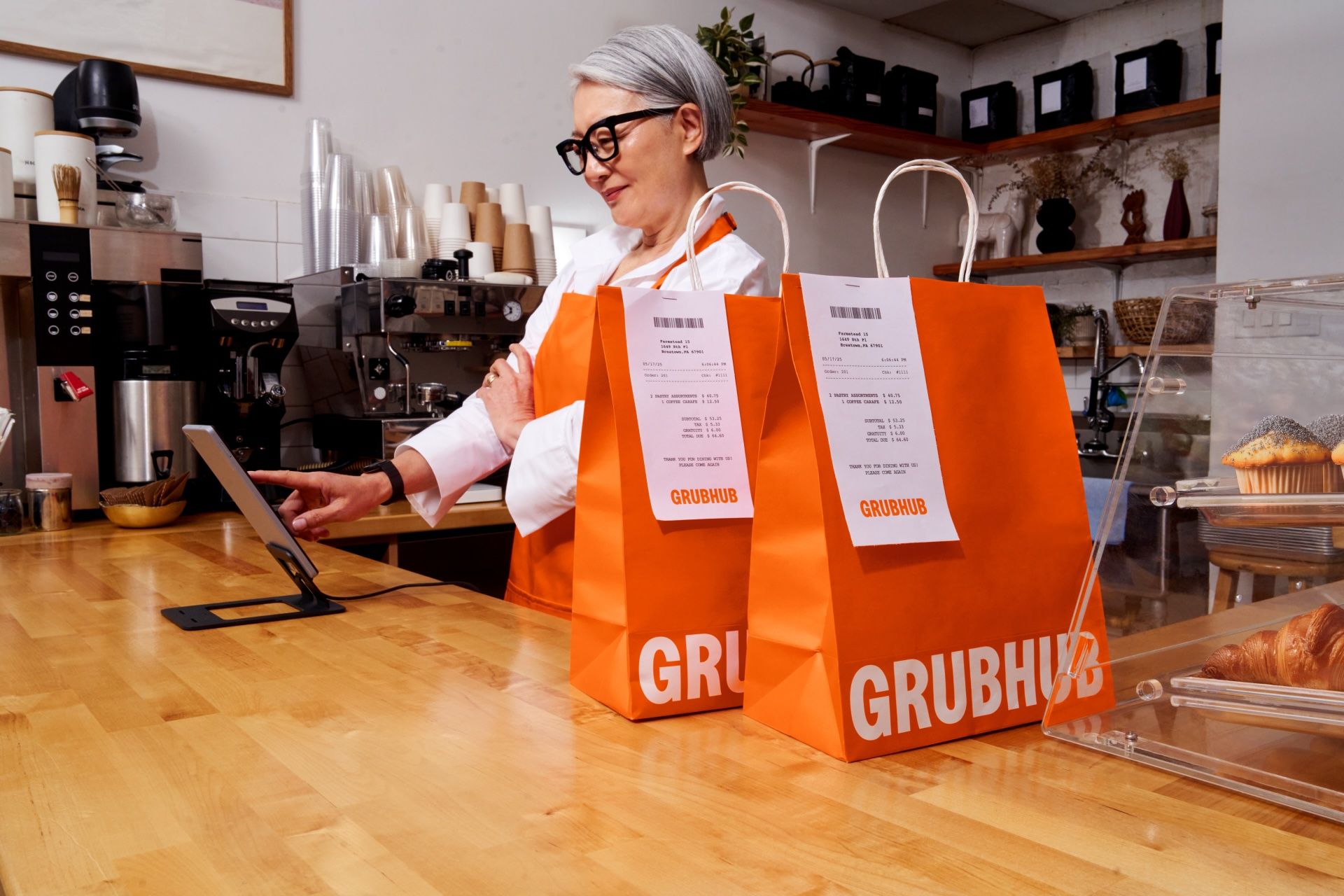
Image credit: Grubhub
Source: Courthouse News
A federal judge cleared the path Thursday for a $24.7 million settlement resolving worker misclassification claims against Grubhub brought by approximately 60,000 California delivery drivers. Judge Corley ordered minor technical fixes to the class notice before granting preliminary approval, after rejecting an earlier version in November 2025 over a flawed liability release. Each class member stands to receive at least $25, with plaintiff’s counsel seeking roughly one-third of the total in attorney’s fees.
The case dates back to 2015, when L.A.-based driver Raef Lawson sued over minimum wage and expense violations, a reminder of how slowly gig worker misclassification cases resolve.
The original plaintiff’s standing only covered claims through December 2020 when Prop 22 exempted app-based workers from state employment protections, requiring a second plaintiff to be added.
The suit was driven by California’s Private Attorneys General Act (PAGA), which lets workers recover civil penalties on behalf of the state, a tool other gig workers and attorneys are watching closely.
QUICK HITS
Uber is expanding its headquarters in New York City. – Commercial Observer
Lyft shares are down 79% since 2019. – 24/7 Wall Street
Uber is rolling out a new version of its Pro rewards program from drivers. – Uber
Want to learn more about the robotaxi industry? Subscribe to The Driverless Digest, our new newsletter and podcast dedicated to the future of autonomous vehicles.
Must Listen Or Watch RSG Content
Here are this week’s featured podcast episode and YouTube videos:
Refill Genie Review: What This Prescription Refill Service Is (and Isn’t)
Make sure you Subscribe so you don’t miss out on future conversations and interviews!

We, at the Rideshare Guy have created this amazing community of Support! The steering wheel doesn’t define you. You do!

Did someone forward you this newsletter? Subscribe now for free so you never miss an update…
Never miss a Rideshare Guy update…