- The Rideshare Guy
- Posts
- How To Avoid Getting Deactivated
How To Avoid Getting Deactivated
🔌 The Ideal EV Charging Experience for Gig Drivers
If you drive an EV for Uber or Lyft, bp pulse is quickly becoming a go-to charging spot for rideshare drivers.
Why drivers should choose bp pulse:
Massive sites mean no more circling for a charger
Ultra-fast charging with speeds up to 400kW
CCS & NACS compatibility
Transparent pricing with off-peak discounts
Convenient locations right next to major airports
Nearby or on-site amenities (with clean restrooms, lounge, free Wi-Fi, on-site security at LAX site)
Charge fast, get back on the road, and skip the headaches.

How To Avoid Getting Deactivated – Experienced Drivers’ Advice
— By Sergio Avedian —
For rideshare drivers, deactivation is the nightmare scenario.
One moment you’re earning, the next your account is shut off, often with little explanation and no human support in sight. In 2026, deactivation will remain one of the biggest fears in the gig economy, especially as platforms rely more heavily on automation and algorithms.
While no driver is 100% immune, experienced drivers know that most deactivations are preventable. The key is understanding how the system really works and adjusting your behavior accordingly.
Here are the real, proven steps veteran drivers take to protect their accounts.
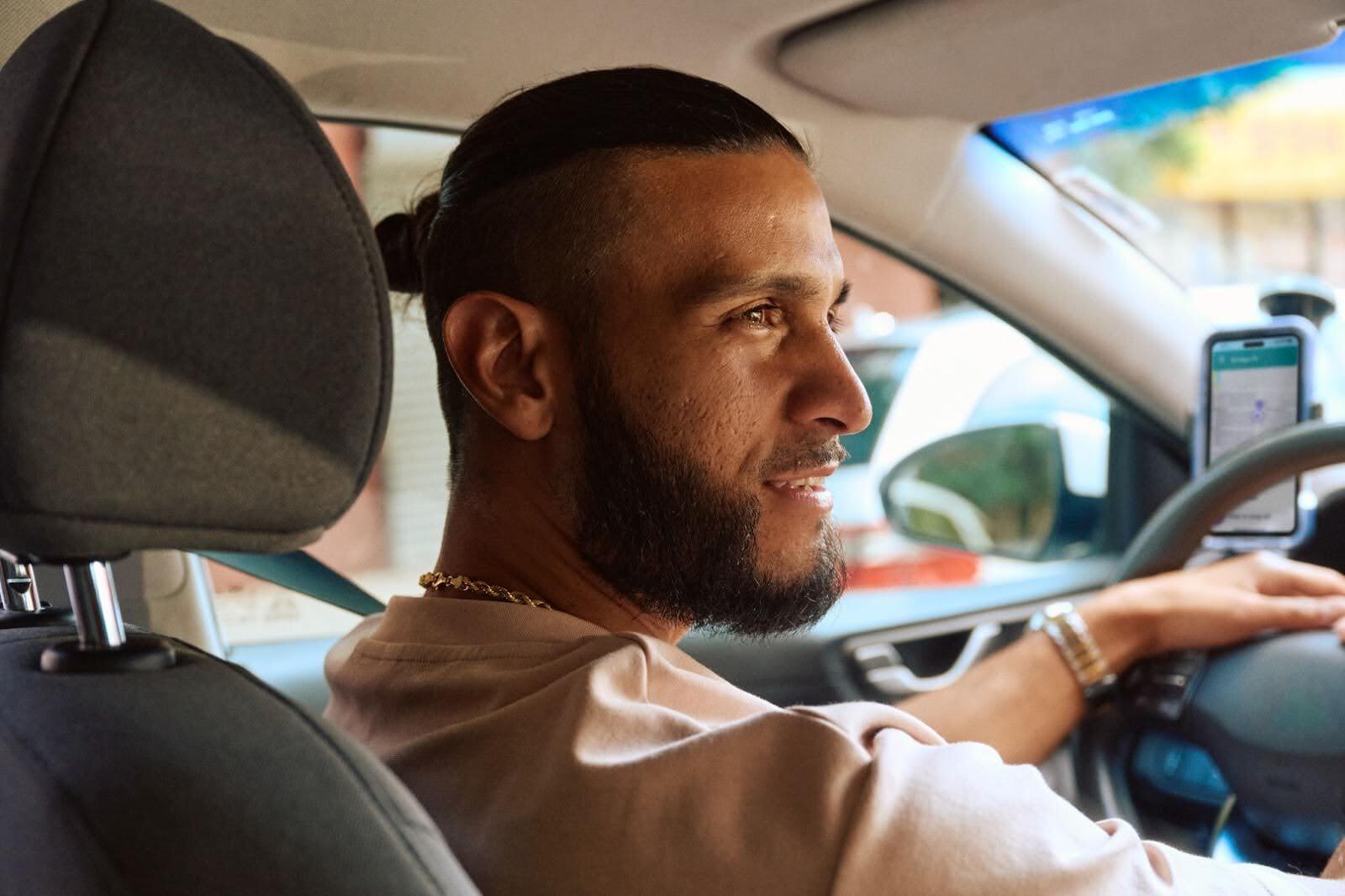
How To Avoid Getting Deactivated
1. Treat Your Account Like a Business Asset
Experienced drivers don’t see their Uber or Lyft account as “just an app.” They treat it like a business asset that can be taken away at any time.
That mindset changes behavior. Veteran drivers:
Avoid unnecessary risk
Decline bad trips without emotion
Never argue with passengers in-app
If your account is your income source, protecting it becomes priority number one.
2. Ratings Matter – But Not the Way You Think
Most deactivations don’t happen because of a single low rating. They happen because of patterns.
Veteran drivers focus on:
Consistency, not perfection
Avoiding extreme outliers (1-star complaints)
Reading rider behavior early in the trip
If a ride feels off before it starts, experienced drivers cancel early. It’s better to lose one ride than risk a report that stays on your account.
3. Master Early Cancellations
New drivers fear cancellations. Experienced drivers use them strategically.
If a rider:
Shows up aggressive or intoxicated
Tries to add stops immediately
Demands illegal or unsafe behavior
Is rude before entering the vehicle
Cancel the trip before it starts. Once the ride begins, the risk increases dramatically. Early cancellations rarely hurt your account; bad rides do.
4. Follow Platform Rules – Even When They’re Annoying
Veteran drivers know where to draw the line. They don’t:
Ignore vehicle or document requirements
Let unaccompanied minors ride
Exceed passenger limits
Even if “everyone does it,” enforcement is inconsistent, and when it happens, it’s brutal. Deactivation is rarely worth the short-term gain.
5. Control the Ride Environment
Small details reduce complaints:
Keep your car clean
Use neutral music or ask the rider’s preference
Avoid politics or controversial topics
Don’t overshare personal opinions
Experienced drivers aim to be pleasantly forgettable. The less emotional impact a ride has, the less likely a rider is to report anything.
6. Dashcams Are Not Optional Anymore
Ask any veteran driver: dashcams are one of the strongest defenses against false complaints.
In 2026, experienced drivers use:
Dual-facing cameras
Clear signage notifying riders
Cloud or automatic backups
Dashcam footage won’t prevent every issue, but it dramatically improves your chances if a complaint arises. Some drivers have had accounts reinstated solely because they could provide video evidence.
7. Communicate Clearly and in Writing When Possible
If there’s an issue, experienced drivers keep communication short, polite, and documented.
Use in-app messaging instead of phone calls when possible. Written communication:
Creates a record
Reduces misunderstandings
Protects you during disputes
Never vent to support. Stick to facts, timestamps, and professionalism.
8. Avoid “Gray Area” Behavior
Many deactivations come from living in the gray areas:
Repeatedly asking for cash tips
Canceling excessively after pickup
Gaming promotions are too aggressive
Driving while exhausted
Veteran drivers know that algorithmic systems notice patterns, not intent. If behavior looks abusive at scale, it may trigger action even if you feel justified.
9. Know When to Log Off
Fatigue causes mistakes. Experienced drivers log off when:
They feel irritated
They’re rushing
They’re tired or distracted
Many deactivation-triggering incidents happen late at night or during emotional burnout. Logging off early protects both your safety and your account.
10. Always Have a Backup Plan
The most experienced drivers don’t rely on a single platform. They:
Build secondary income streams
Keep emergency savings
This doesn’t just reduce financial risk, but it also reduces psychological pressure. Drivers with alternatives make better decisions and take fewer risks.
My Take
Deactivation isn’t always fair, and it isn’t always preventable. But most experienced drivers will tell you the same thing: your behavior matters more than the algorithm.
Protecting your account isn’t about driving harder; it’s about driving smarter, calmer, and more selectively.
In 2026, the safest drivers aren’t the ones chasing every dollar. They’re the ones who understand that staying active is more valuable than any single ride.
Email me your comments to [email protected]
Sergio@RSG
Make sure you Subscribe to our blog, podcast, and YouTube channel for the latest discussion, news, strategies, and tips for rideshare and delivery drivers!

Did someone forward you this newsletter? Subscribe now for free so you never miss an update…
Never miss a Rideshare Guy update…