- The Rideshare Guy
- Posts
- 32,000 Rides, Zero Burnout: Habits for Long-Term Driving
32,000 Rides, Zero Burnout: Habits for Long-Term Driving
Download Solo to start your 7 day free trial & join the community of over 250K gig workers who are optimizing their time and maximizing their earnings!

32,000 Rides, Zero Burnout: My Lifelong Habits for Your Longevity Behind the Wheel
— By Jay Cradeur —
Rideshare driving destroys the body and the mind, if you let it.
It is sedentary work. You are sitting alone all day and night. It is stressful work. You are driving a two-ton piece of metal amongst some crazy drivers. It is isolating work. Usually, it is just you and you in the car.
When I started driving at 56, I did not know this. I remember those early days vividly. I went for 12 hours a day. I drove six days a week. Looking back, that schedule was madness.
It is how I amassed 32,000 rides, but it came at a high physical cost. Fortunately, I smartened up before I broke down. Now, 10 years later, I have wisdom to share to keep your body and mind strong during the grind of rideshare driving.
6 Lifelong Habits for Your Longevity Behind the Wheel
After 32,000 rides, I have developed specific routines. These routines keep me healthy. They keep me clear-headed. They are not complex theories. They are simple, repeatable habits that any driver can adopt today. They are the difference between burning out in a year and thriving for a decade.
1. Micro-Movement Breaks
You must move.
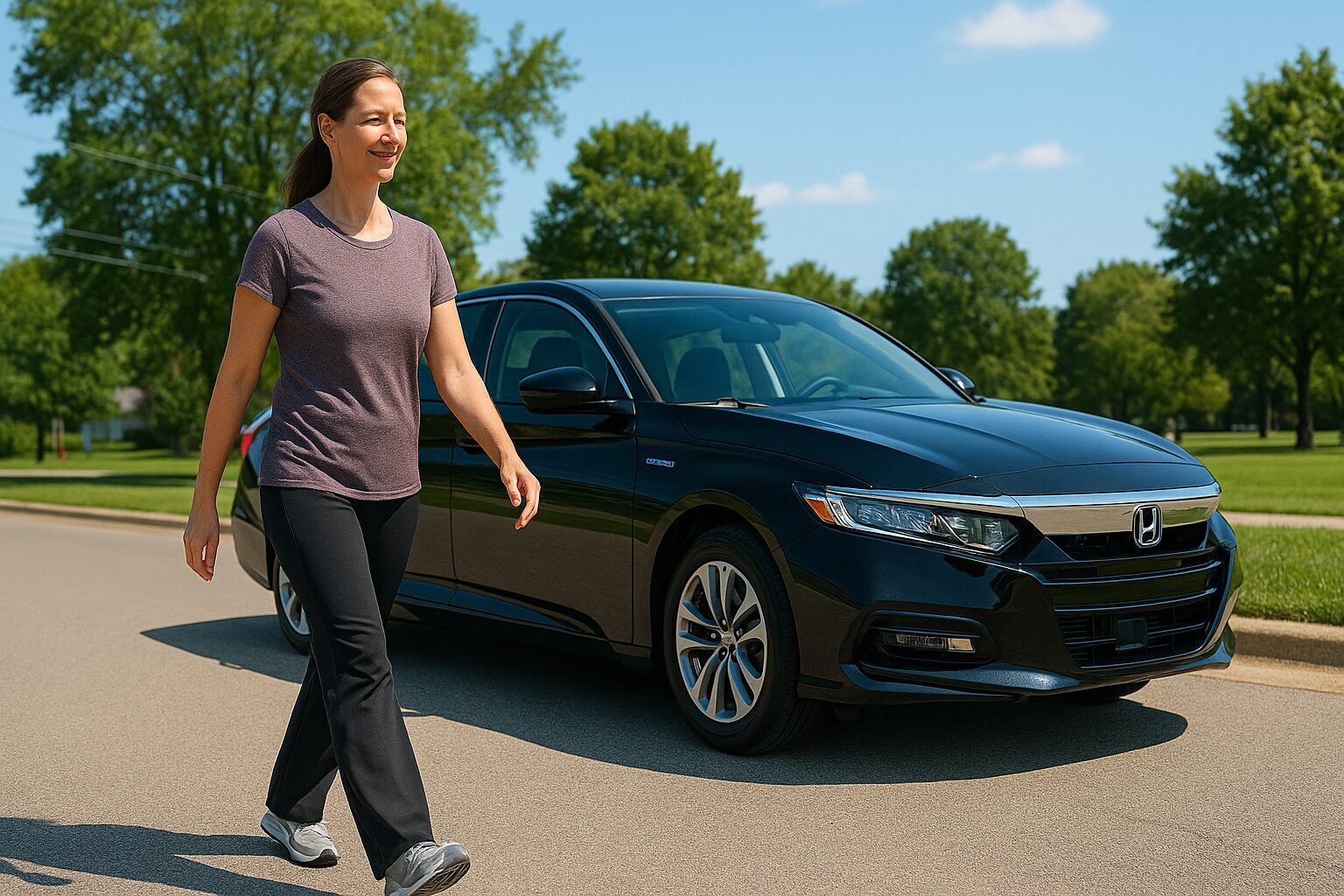
Sitting is the enemy. I stretch for 5 minutes after every 2 or 3 rides. I get out of the car. I focus on the tight spots. My hip flexors get tight from sitting. My shoulders hunch forward. My neck stiffens. I stretch them all out on the sidewalk. It looks strange to some people. I do not care. It keeps me loose.
I also utilize the wait times. When I arrive at a pickup, I do not sit in the seat. I get out. I walk around the car. I inspect the tires. I check for damage. This keeps the blood flowing. It resets my posture. When I arrive at a drop-off, I do the same.
Before I learned this skill, I would feel so stiff after a long shift. It feels like your body is melded into the car seat. Therefore, this constant micro-movement adds up over a ten-hour shift. It prevents the deep aches that plague most long-term drivers.
2. Healthy Fuel
Fast food is a trap.
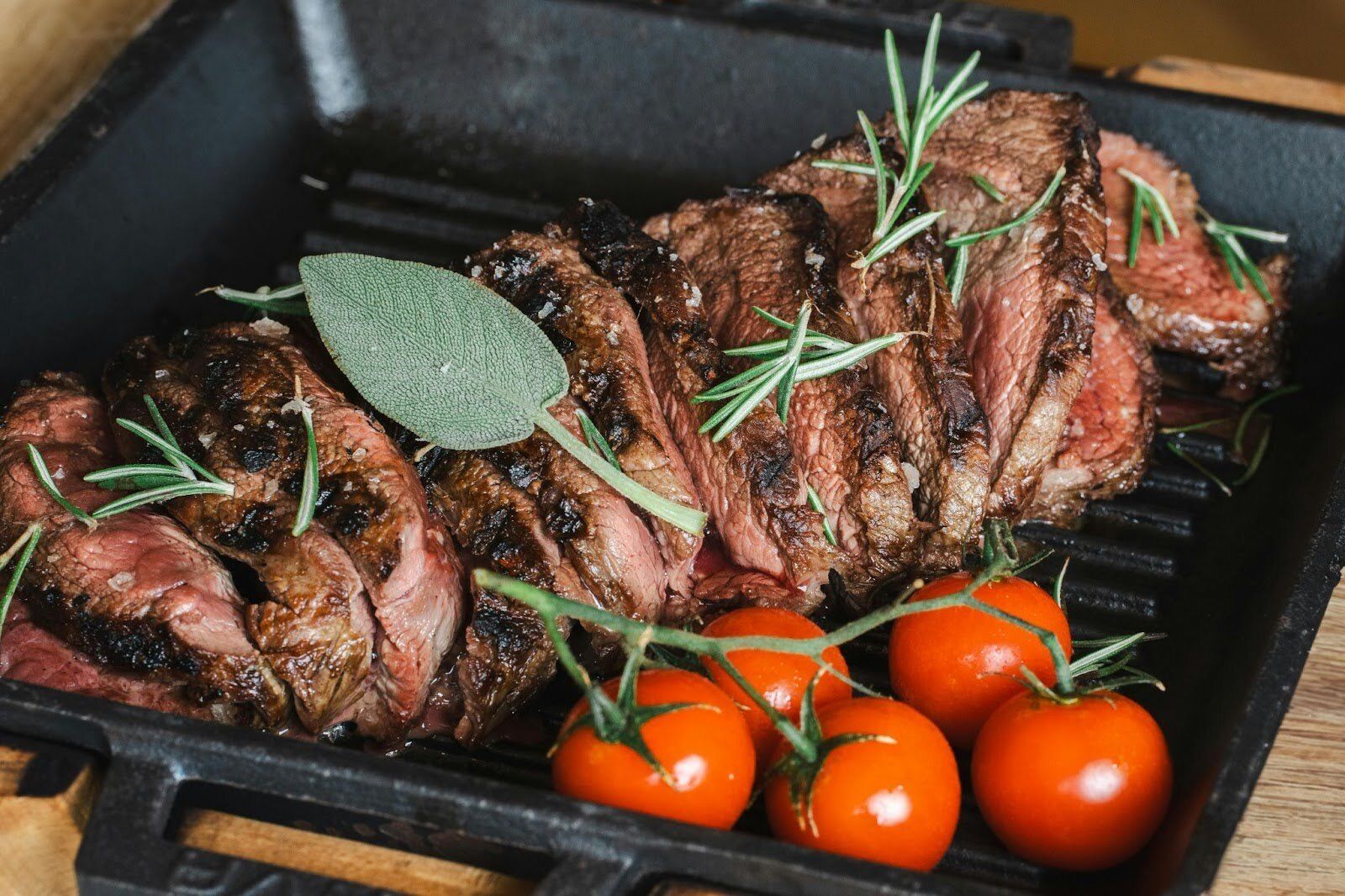
It is convenient and poisonous. It makes you sluggish. I prep high-protein snacks and full meals at home to avoid these traps. I pack a cooler every day. This ensures I have good fuel.
My diet is primarily carnivore; therefore, sliced meat is my constant companion. I treat my lunch break as a non-negotiable event. It is a pre-planned break. I stop the car. I eat my food in peace. I do not eat while driving.
Sugar is another enemy. It gives you a spike, and then it drops. Boom! The crash comes mid-shift. It ruins your focus. It ruins your mood. I eliminated sugary drinks because they cause energy crashes.
I used to drink a vanilla sweet cream cold brew. But I stopped. Now, I stick to water and cold-brew coffee. Good food provides steady energy. Steady energy leads to better driving and better earnings. You cannot run a high-performance engine on cheap gas. Go with quality, which pays off over time. Do not put cheap food in your body.

3. Hydration Discipline
Dehydration is subtle and dangerous.
It kills your focus. It leads directly to bad decision-making on the road. I always have a 32-oz water bottle in the car. My rule is simple. I must finish it by lunchtime. Then I fill it up again. If I am thirsty, I am already dehydrated. I stay ahead of it.
I am a massive LMNT fan and drink it every day. It provides the electrolytes I lose. Plain water is not always enough when you are sweating and working hard.
I use an alarm on my phone. It goes off every hour. It reminds me to drink. It is a simple system. It works. A well-hydrated brain is a sharp brain.

4. Mental Reset Practices
Traffic creates stress.
Passengers create stress. You need a way to let that stress out. I use breathing exercises. I use the 4-7-8 count method while waiting for red lights. Start by inhaling for a count of four. Hold for seven. Exhale for eight. It calms the nervous system instantly. It separates the stress of the road from my mind.
I also take short, guided audio breaks. I use meditation or simple silence to reset between stressful rides. Just pull over and breathe. Open the window and remember what a big open field smells like.
When not driving, I do three things every weekday without fail. I exercise. I sit in the sauna. I meditate for 30 minutes. I use Sam Harris' Waking Up app. I also use Henry Shukman's The Way app. Both are excellent tools.
They teach you to never bring the stress of one passenger to the next. You mentally close the door by getting out of your head and living more in the moment. You start fresh. Or as Sam Harris says, “Begin again!”
5. Scheduled Recovery Days
You cannot drive every day.
You need recovery. I plan my off days just like I plan my work days. They are non-negotiable. I do not let surge pricing tempt me on a recovery day. That time is sacred. It is for my body and my family.
On these days, I engage in deep movement. I go to the gym. I jump into a cold plunge. I disconnect from the digital world. I avoid the temptation to check the app. "Just for a quick ride" is a lie. It pulls you back into the grind.
Recovery requires total separation. It allows me to return to the road with full energy.
6. Explore Supplements
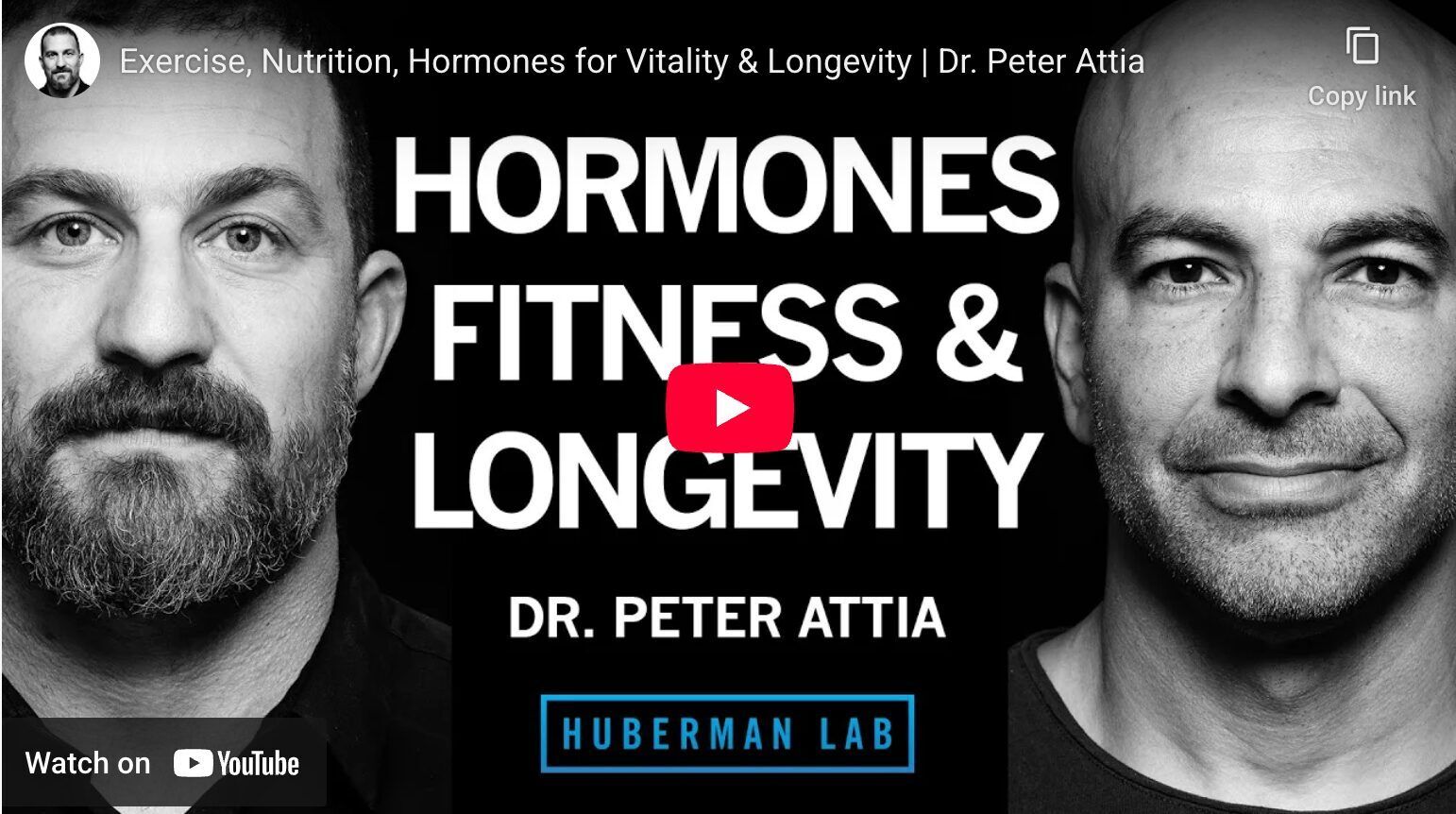
I am not a doctor. I do not give medical advice. However, I take supplements that I have researched and know provide a benefit. I look for data. I listen to podcasts. I watch YouTube videos. I look for benefits that apply to my life and work. I have found things that help me sustain energy and focus.
You should do your own research. Find what supports your specific needs. It could be for joints. It may be for cognitive function. Do not just take random pills. Understand what you are putting in your body. If it shows a benefit, use it.
Every edge counts when you are grinding out miles year after year. As you get older and nature slows you down, many supplements can put that pep back in your step.

Key Takeaways
Your body and your mind are your tools. They are more important than your car.
You can buy a new car. You cannot buy a new body. Protect them with simple habits. Stretch your legs. Eat real food. Drink water. Breathe.
If you do these things, you can drive longer. You can drive happier. You can drive sharply. And you will make more money!
Do not let the grind break you. Take control of your physical state. Take control of your mental state. Treat yourself like a professional athlete. This job is an endurance sport. Prepare for it. Maintain yourself.
You will last longer than the drivers who ignore their health. You will make more money because you are consistent.
Stay sharp. Be safe out there on the road.

Did someone forward you this newsletter? Subscribe now for free so you never miss an update…
Never miss a Rideshare Guy update…